You either die a hero…
Phil Spencer talked a good game, but what was his plan to save Xbox?

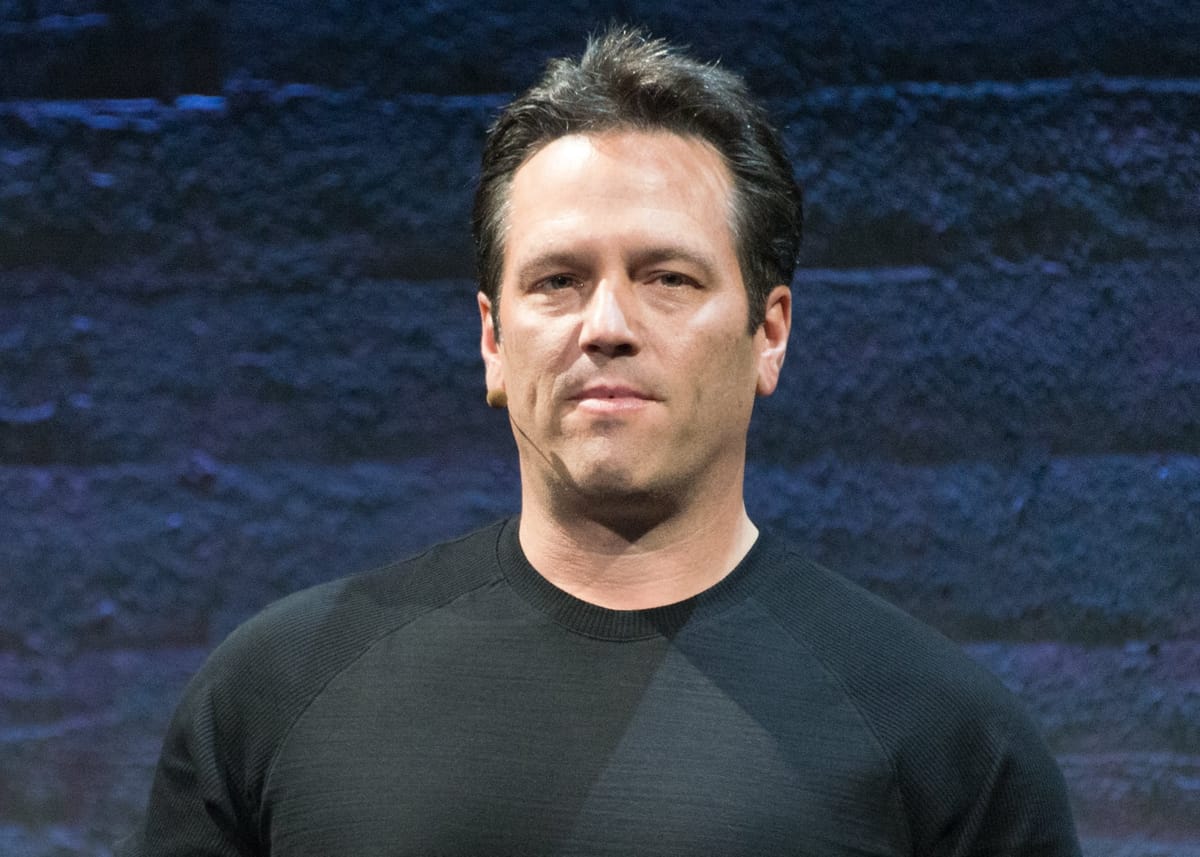
It’s funny to think about now, but at a certain point Phil Spencer was widely celebrated as the rare executive that Got It.
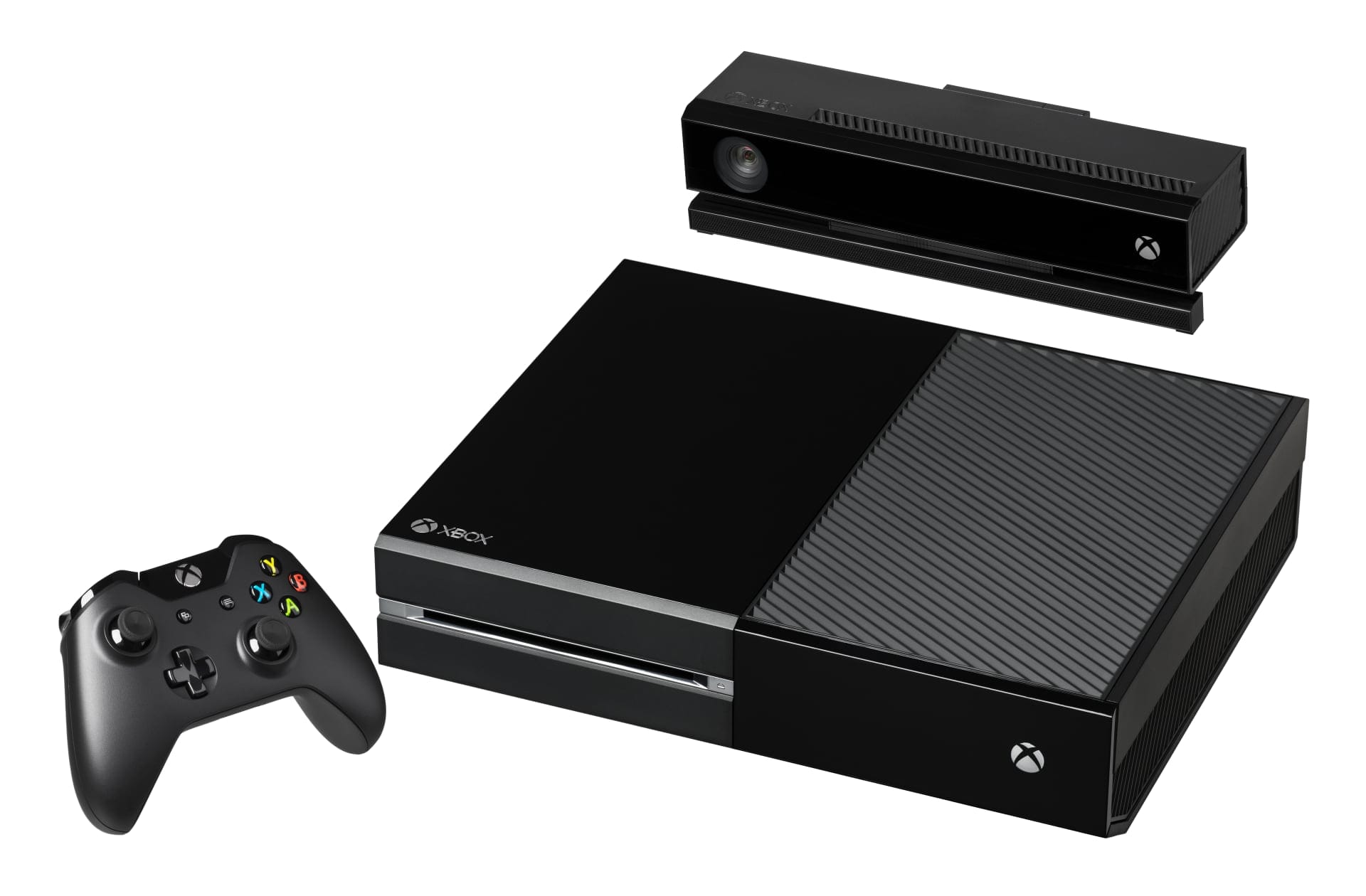
Taking over from the deeply unimpressive Don Mattrick, Spencer took charge of an Xbox at its lowest ebb. (Well, at the time, anyway.) Mattrick’s Microsoft took a sad song and made it sadder. They produced a flawed product in Xbox One and somehow managed to compound that with a non-stop parade of unforced errors in communication and marketing. A gleeful Sony couldn’t believe their luck.
After Microsoft sparked a furore with their limits on sharing games on Xbox One, Sony quickly produced this devastating counter.
And so out went the awkward, gaffe-prone Mattrick; in came the confident and personable Spencer. Mattrick felt like an executive, but Spencer, with his array of gaming t-shirts, felt like one of us. He wasn’t shy about sharing his gamertag, which showed that he actually did play games. He said all the right things, about supporting backwards compatibility or making games available to everyone. He was even happy to talk about how excited he was to see a competitor, Nintendo, release a new console.
Now Spencer is on the way out, and it couldn’t have come soon enough.
The consensus is that it was Microsoft’s massive purchase of Activision Blizzard that sealed Xbox’s, and therefore Spencer’s, fate. But it was a quote from Spencer the year before the big acquisition that stood out to me.
"We lost the worst generation to lose in the Xbox One generation, where everybody built their digital library of games,” he moaned on a Kinda Funny Games show in 2023. Spencer’s contention was that the console wars were, effectively, over; people had picked their side and, since you can’t sell or give away digital games, they were effectively locked in.
Conventional wisdom is that you tempt players to switch over to your platform by making great exclusive games that they can only play on your console. That is, after all, why Microsoft spent lavishly to acquire a host of developers and publishers, right? Exclusive Xbox games like the then-upcoming Starfield, the next big thing from the makers of Skyrim, would turn the tide, right?
"There is no world where Starfield is an 11 out of 10 and people start selling their PS5s,” Spencer said in the same interview. “That's not going to happen.”
Oh.
It was classic Phil Spencer: brutally honest in a way most gaming executives wouldn’t be. But it was also classic Spencer in that it was an empty lament. Right, so you’ve accurately outlined the problem. So what’s the solution? What’s the plan?
Spencer’s Xbox had so many ideas and visions, but it didn’t commit to any of them. There was talk of a future beyond the Xbox console, of playing games anywhere, but also boasts that the next Xbox is coming with the “largest technical leap.” It invested in cloud gaming but is curiously hesitant about pushing it as an option for people who won't buy an Xbox. It wants to make Game Pass an essential purchase, but it keeps devaluing what Game Pass offers while making it more expensive. It made a bold statement of intent as a platform-agnostic publisher by bringing Halo to PS5… but Forza Horizon 6 is still a timed Xbox exclusive.
There was no consistency or conviction to Xbox under Spencer. There were plenty of bold ideas, sure, but a flawed execution. Everything felt like a series of half-measures and false starts.
 Ravi Hiranand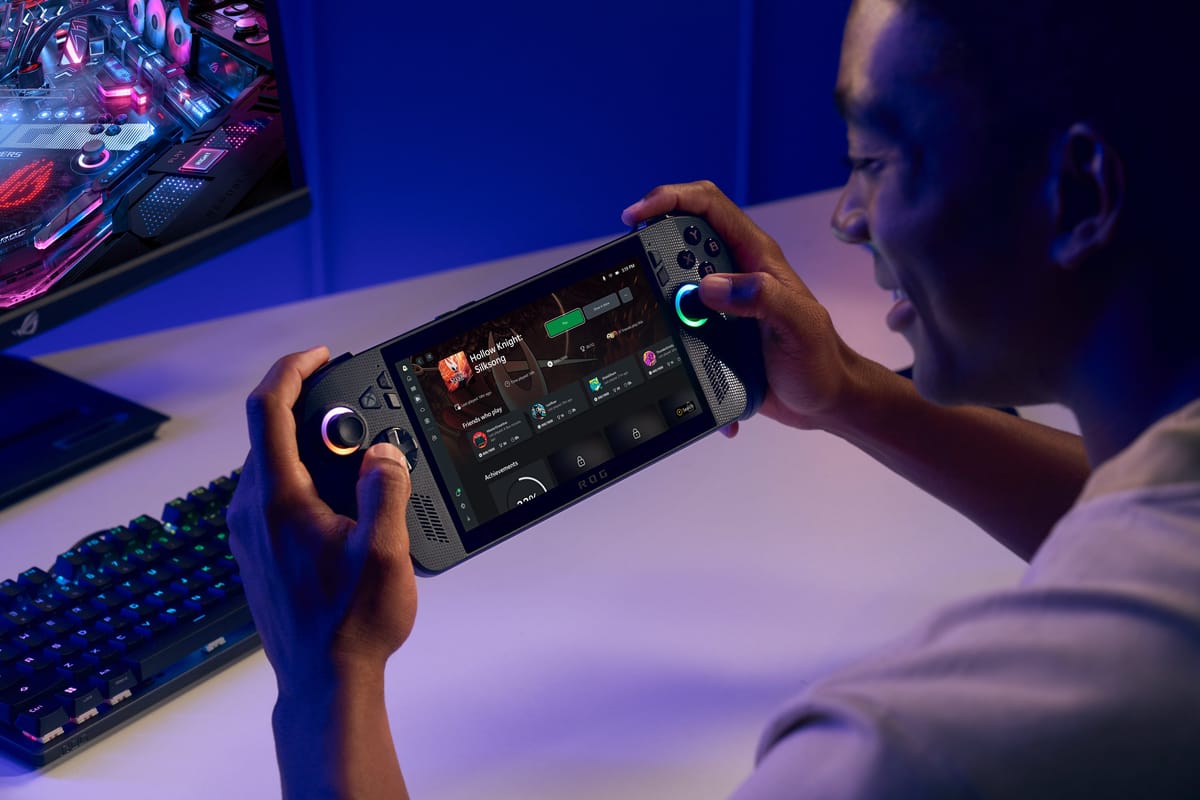
If you’re going to shift people away from playing on Xbox hardware, then kill Xbox hardware. If you’re going to be a third-party publisher, then put your games on other platforms. Spencer’s Xbox, though, lived in the grey; neither one nor the other, satisfying nobody.
It appears that among those unimpressed is Microsoft CEO Satya Nadella. The farewell notes say that Spencer is retiring, and maybe he is; however, his replacement isn’t long-time heir apparent Sarah Bond (who promptly announced her departure from Microsoft), which suggests that Nadella wants a fresh approach.
Spencer’s replacement, Asha Sharma, is seemingly not a gamer, nor does she have a background in the industry. She has such a deep background in AI (and some pretty disturbing thoughts about it) that she had to very specifically say in her welcome note that she wouldn’t push AI slop on Xbox. (Which is funny, because her boss said that he doesn’t want people to talk about AI slop anymore.)
 Ravi Hiranand
A long time ago, I worked at a large media company. A new boss came in with a bold vision, one which a lot of us weren’t thrilled with (and which did indeed prove to be flawed).
But what was striking about it was that there actually was a vision. We had been drifting for years, going through the motions, doing things not because it was the right thing to do but because it was what we’d always done. Having a plan, even one you didn’t necessarily like, was better than no plan because it at least got everyone moving in the same direction. Sure, I wasn’t a fan of that direction. I wasn’t confident that it’d solve our problems. But I could appreciate that we were actually trying to do something about them.
So what was the plan at Xbox under Spencer? What was the vision, what was the goal?
Spencer rode in on a wave of optimism simply because, well, he wasn’t the hapless Don Mattrick. He said all the right things. But talk only buys you so much goodwill. You have to actually execute, or you’ll live long enough to see yourself become the villain.