The secret tricks behind Nintendo Direct
A veteran TV producer explains exactly what makes Nintendo's event so engaging.

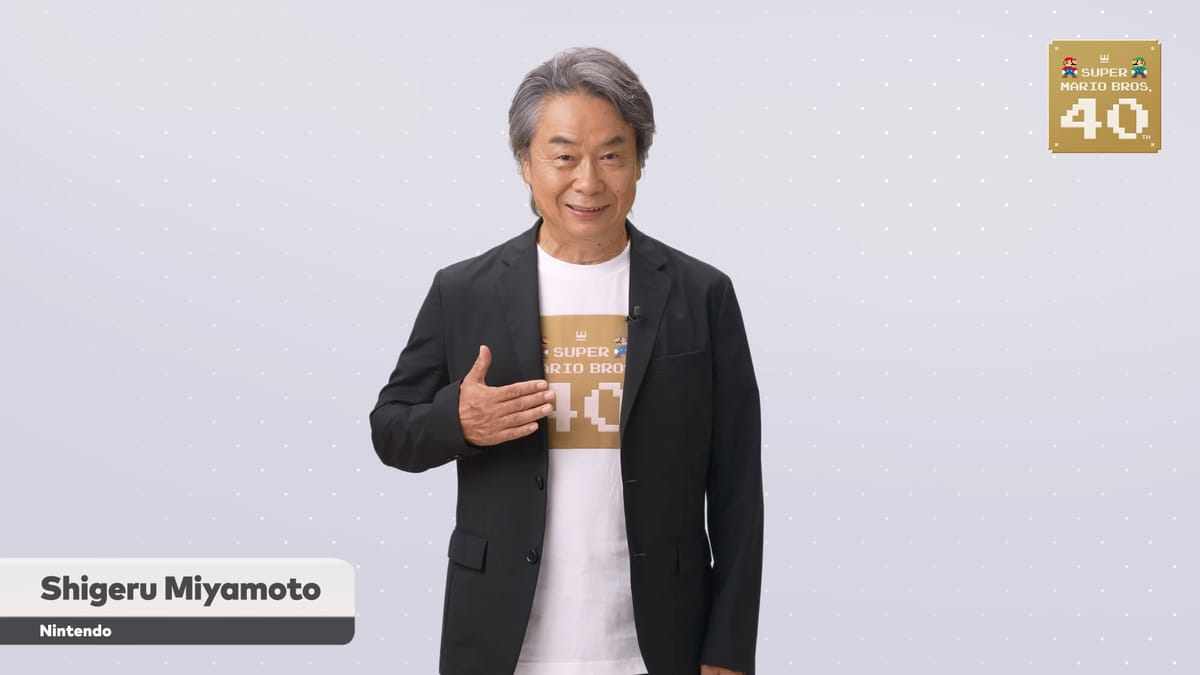
It’s happening: the most exciting event in gaming is back. A new Nintendo Direct is scheduled for February 5.
On the face of it, it’s absurd to get excited about this. Nintendo Direct is an ad, or rather, a series of ads: it’s a taped YouTube broadcast hosted by an executive from Nintendo who introduces trailers and gameplay snippets from upcoming games. From a certain point of view, celebrating a Nintendo Direct is like cheering for a commercial break.
And yet they are hugely popular. Last September’s Nintendo Direct was held three days after an Apple Event to announce the latest iPhones — and the Nintendo Direct attracted more viewers.
Yes, part of that popularity is down to Nintendo’s rabid fanbase. Sure, gamers like hearing about new games. But it's also exciting because Nintendo Directs are extremely engaging to watch, using a particular format that’s been honed over the last fifteen (!) years. And as a former TV producer with over a decade of experience with live broadcasts, I feel uniquely positioned to explain the little tricks Nintendo that uses to hook viewers.
One of the most important elements of any show is the tempo. It’s something that’s so hard to quantify because it’s as much art as science, but the gist of it is to pace things out properly. You need excitement and action, yes, but not all at once. Big moments need space to breathe and to land; equally, too many slow moments together need to be avoided.
You can see that in how the Nintendo Direct is structured. Most big trailers in the Direct are introduced by a few words from the host, sometimes as short as “please take a look at this.” The trailer is then usually followed by a quick recap explaining what you’ve just seen.
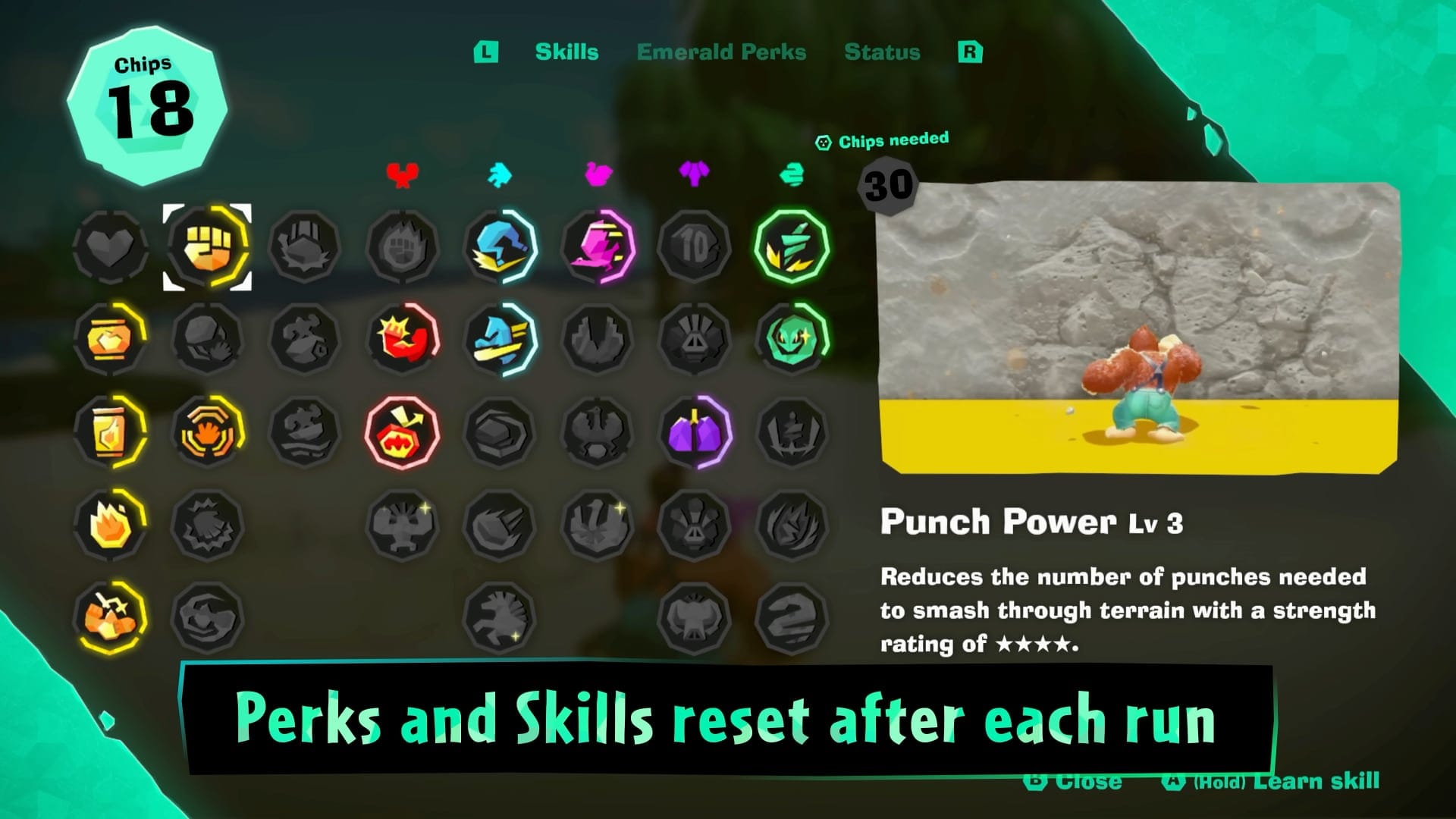
These might feel like unnecessary flourishes, even redundant, but they’re crucial for pacing. Trailers tend to prioritize thrills over legibility; it’s not always clear what you’ve just seen. A verbal bullet-point summary explains the core features of the game and reinforces the key themes. It leaves little room for ambiguity, and it also gives you time to process, to react; it even gives you time to jump into the live chat or post on social media about what you’ve seen. Then the host appears again, drawing a line under one segment to bridge you to the next.
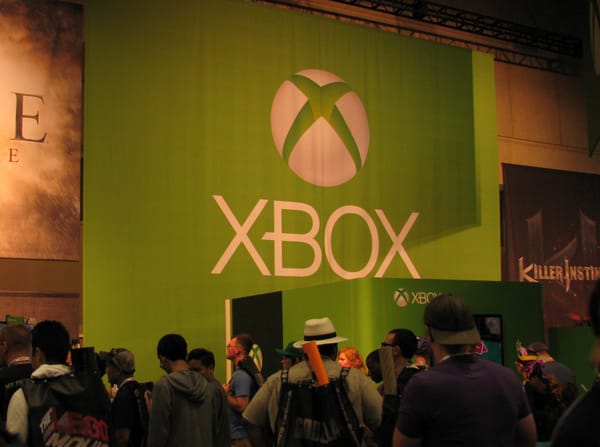
As with many things, you can more clearly feel the importance of this when you take it away. Look at Microsoft’s Xbox Showcase, for instance. There are occasional segments with Microsoft executives, but the bulk of the show is a series of trailers stacked back to back to back with little break in between. There’s no time to breathe, to react, to think about what you’ve just seen before you dive into the next thing.
Nintendo has embraced more third-party games on Switch 2. Using the Direct structure means that, even if the broadcast is filled with games from other companies, it still feels like a Nintendo event. It removes any sense of whiplash from cutting suddenly between trailers from two wildly different types of game. With recaps and a few words from the host, you get separation and uniformity, making it feel more cohesive.
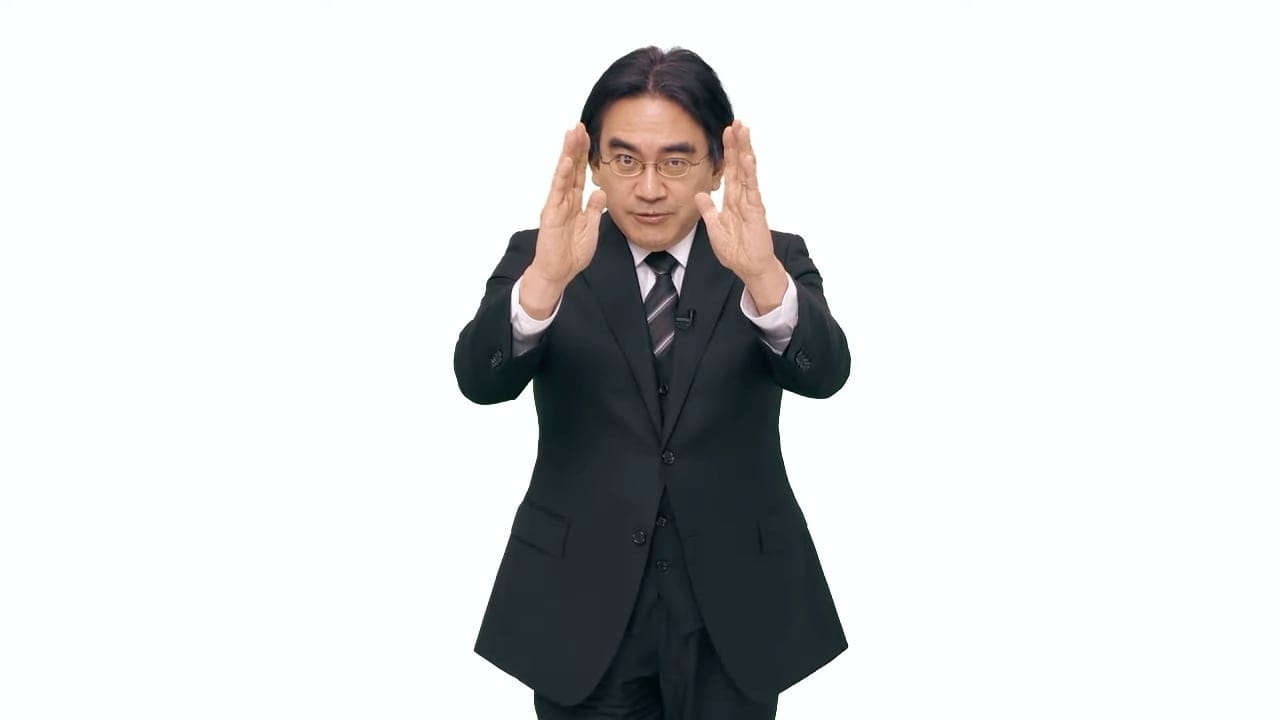
It’s worth examining the host’s role, too. It sounds obvious, but one of the easiest ways for live events or TV shows to fail is by not knowing your audience. The disastrous Xbox One reveal was livestreamed to an audience of gamers around the world — but it wasn’t targeted at them. The audience was the analysts and journalists watching live at Microsoft headquarters, which is why they spent the first half-hour talking about TV, movies and Internet Explorer instead of games. (They took a whopping 32 minutes to show an actual Xbox One game!)
Nintendo Directs are for journalists, yes, but they are first and foremost for gamers. That’s why, unlike Apple Events, there’s no preamble talking about how well they’re doing or how many units they’ve sold; unlike Xbox Showcases, there’s no spiel about their “mission.” The focus is solely on showing new games directly to their core audience. (The clue is in the name!)
One thing that feels illustrative of Nintendo’s approach is how they handle the final game in the broadcast. The common assumption is that you save the best for last; anticipation is at its highest after seeing what’s already been shown and imagining what could possibly top that. Apple’s Steve Jobs used to relish showing off just “one more thing…” at the end of his keynotes, whipping the audience into a frenzy in anticipation of one more bombshell.
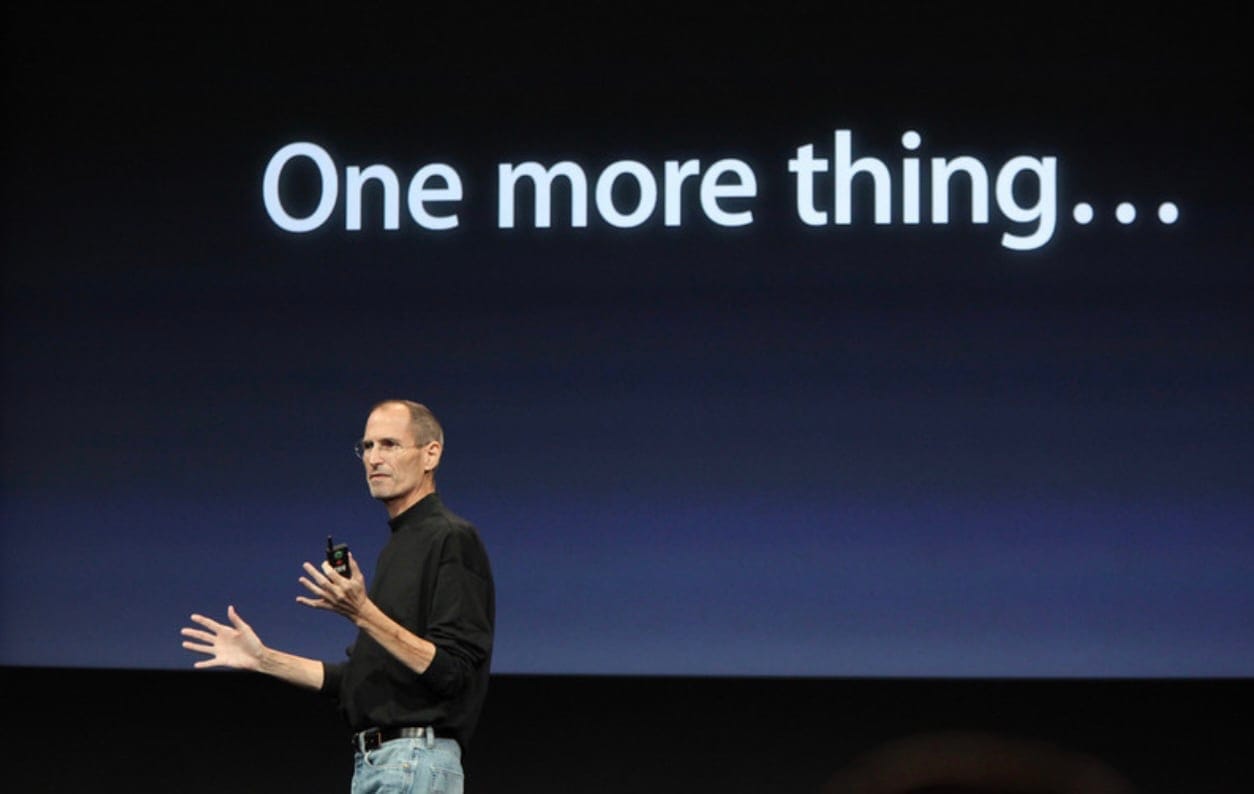
Nintendo, too, signals that there is one trailer left. But it’s delivered so plainly and simply that it feels less like a Jobsian attempt to build hype and more like a statement of fact: this is the last trailer for today. Just an FYI, really.
It’s not because the final game isn’t worthy of being hyped; it usually is. Instead, it feels like Nintendo is trying to reduce expectations: this is all that we’re showing. Don’t let your imaginations run wild that we’re about to top this. Enjoy it for what it is.
This seemingly straightforward style of a Nintendo Direct is not a reflection of a casual production process. As a veteran of live productions, I can tell you that it is exactly the things that appear so simple and breezy that are actually the most thought-out. A lot of thought and consideration went into every element of this.
Nintendo has a formula it has carefully built and iterated on for fifteen years. They know their audience and they know exactly how to reach them. And that’s why there’s nothing in gaming like a new Nintendo Direct.