The effortless genius of Super Mario 64
The common thread between Mario and Messi.

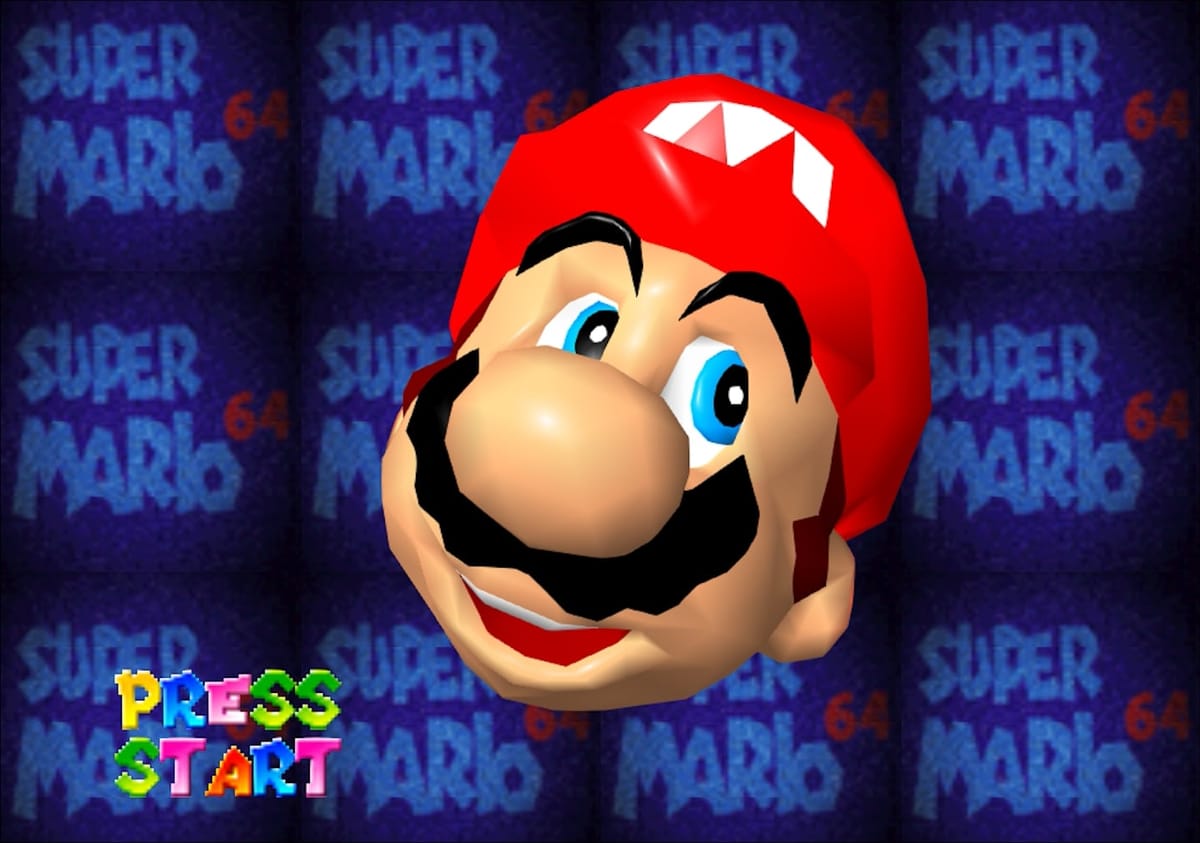
My favorite football player is Lionel Messi because he makes the sport look so easy.
He glides past defenders without overly fancy footwork. Every pass finds a teammate, no matter how near or far. When he shoots, it’s always into the corners of the goal. Everything he does on a football pitch just seems so logical, like it’s the most obvious thing in the world to swivel one way to lose a defender and then calmly stroke the ball past the keeper.
Of course, experts know how difficult it is; after all, there’s a reason nobody else has reached his unparalleled levels of success. When you watch Messi, though, it doesn’t seem hard. It just looks effortless to him.
Super Mario 64 achieves the same trick.
It is a total overhaul of the way Mario games work, and yet everything about it is just so right. Of course Mario moves like that. Of course the levels are open, non-linear playgrounds. Of course the camera is a character itself, freely controllable by the player.
Like Messi, though, Super Mario 64’s seemingly effortless genius was anything but.
Super Mario 64 was released thirty years ago this week, right as the industry was in the midst of a huge transition. Powerful new hardware meant that games could move beyond flat 2D levels and into expansive 3D worlds.
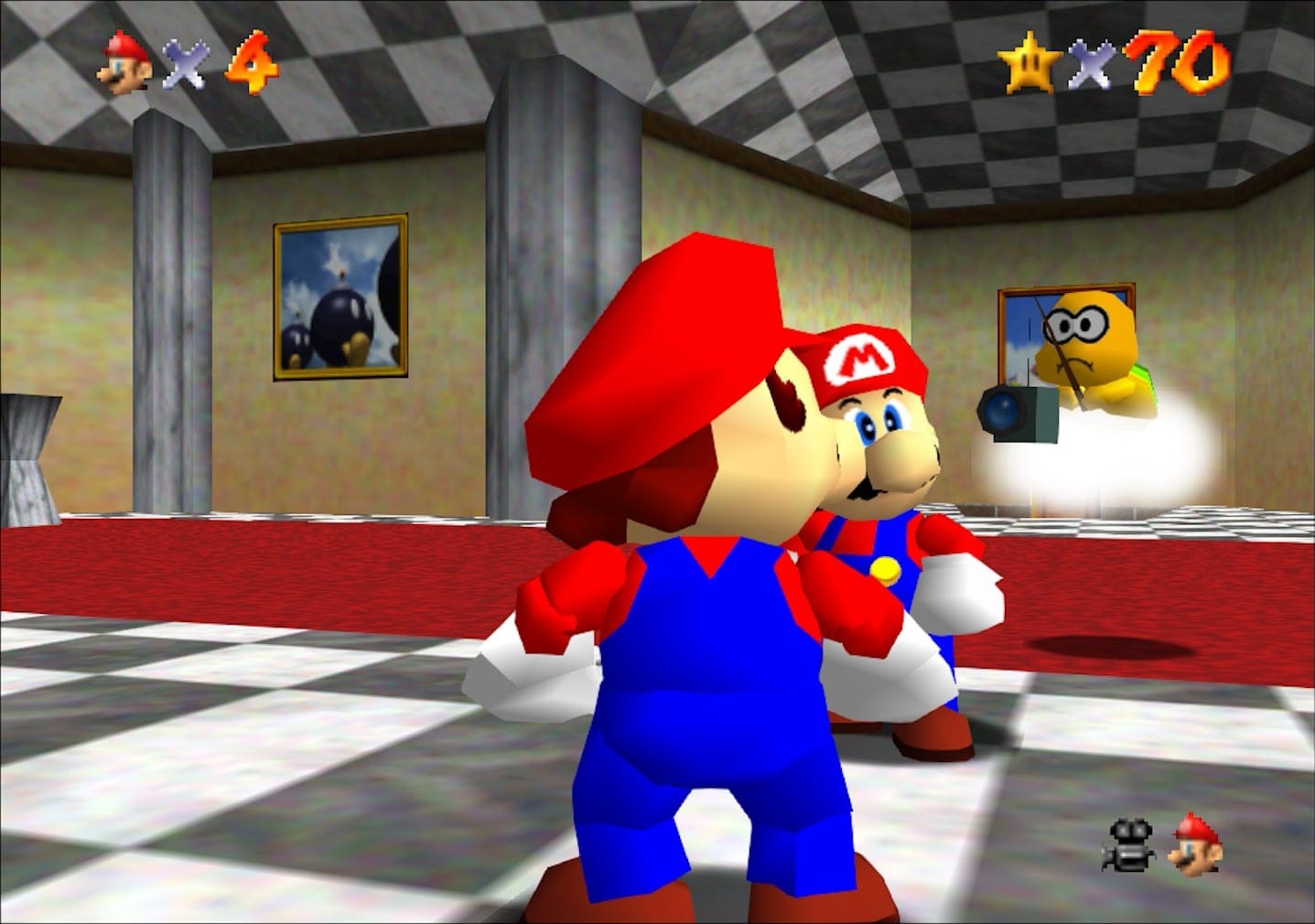
3D, though, meant a rethinking of some very fundamental principles, issues that tripped up plenty of other developers. For one, in a 2D game like the original Super Mario Bros., you’re just moving from left to right. With 3D, though, there are more directions to contend with. Telling players where they are and where they need to go was a new challenge for game designers.
“When you’re playing on a 3D plain, it’s so easy to lose track of where you are in the field,” said said Yoshiaki Koizumi, assistant director of Super Mario 64, in 2007. “And if the camera moves automatically, there are people that would get 3D sickness.”
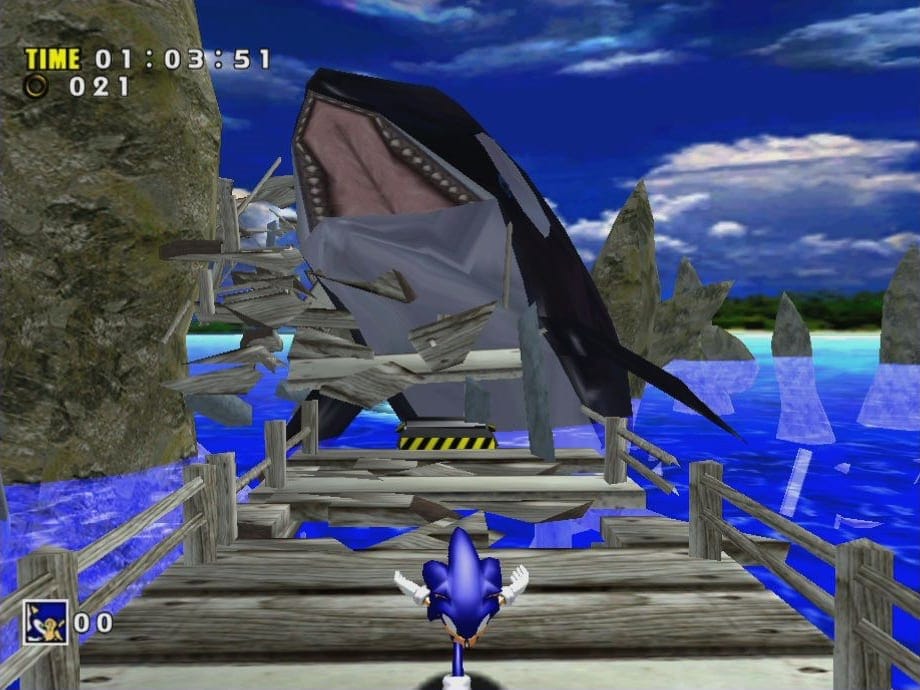
Some of Mario’s competitors dodged these issues by effectively retaining 2D gameplay, just with the added depth and bombast of 3D. In Sonic Adventure, large portions of Sonic’s levels are “on-rails” where you’re locked on a set route. Crash Bandicoot is, frankly, a 2D platformer, just seen from behind (or in front) instead of from the side. They forced the players to stay on a set path and removed the freedom of 3D – but it meant they didn't have to worry about players getting lost, and they could fix the camera in place.
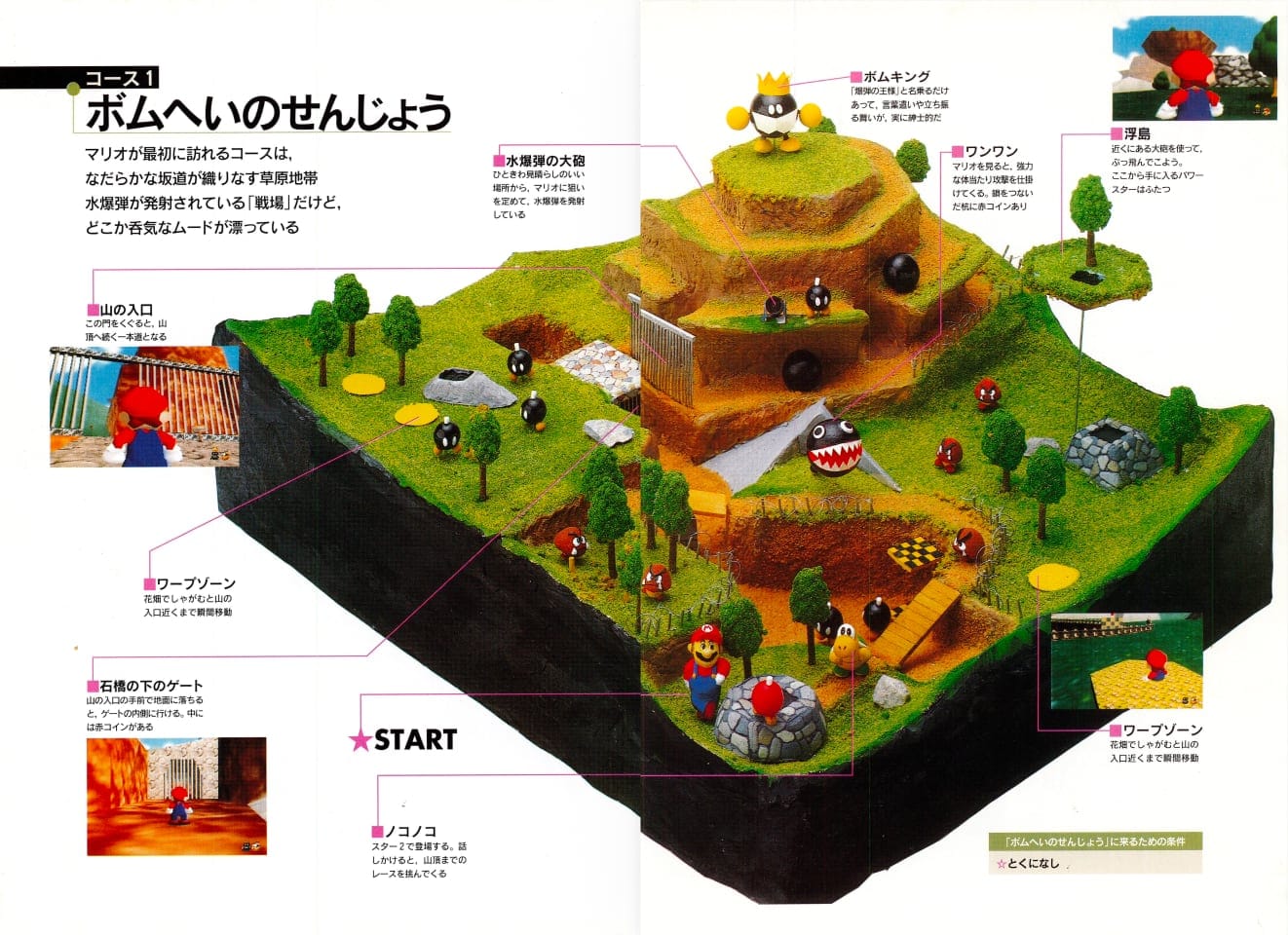
In contrast, Super Mario 64 took the most difficult approach here: it made its worlds square-shaped. It gave players a genuinely open playground to explore, using height and distinctive sights to guide the player around. “We included large landmarks so players could orient themselves without stopping,” Koizumi said at the Montreal Games Summit in 2007.
Even in 2D, Mario games had always been about encouraging players to be curious and to seek out secrets. Super Mario 64’s wide-open levels took this a step further. Objectives were placed across the levels in a way that sent players in every direction, allowing them to learn the overall layout.
“They were structured so you gradually came to understand the landscape,” director Shigeru Miyamoto said in 2010. “You went back and forth over the same course repeatedly and memorized the landscape.”
Arguably the most fundamental parts of any platform game is jumping — even moreso for a character originally named Jumpman. But, again, this basic 2D staple proved unusually challenging in 3D.
“Implementing jumping in 3D is really difficult,” said Miyamoto in a 1996 interview in a Japanese strategy guide translated by shmuplations.com. “In earlier Mario games, we were able to measure the number of pixels Mario could jump and know exactly what was possible.”
The greater freedom of movement, and difficulty of judging 3D depth on a 2D TV, proved challenging for players. So Nintendo had to come up with a few little tricks to make it work: instead of the pixel-perfect precision of older games, Super Mario 64 would effectively cheat on your behalf.
“We had to design the levels so that as long as your jump was ‘close enough’, you’d make it; it was too hard for the player to judge,” Miyamoto said in the strategy guide.
That wasn’t the only trick Nintendo employed. “We decided to drop a shadow on the ground everywhere in Mario 64,” said Koizumi in Montreal. “That way, every floating object would have a reference point on the ground.”
It meant that any time players jumped, they effectively had a target underneath them to judge Mario’s position in mid-air. Koizumi acknowledges that the shadow’s position not matching the light source breaks the fiction of the world, but says that it’s worth it. “It might not be realistic, but it’s much easier to play with the shadow directly below.”
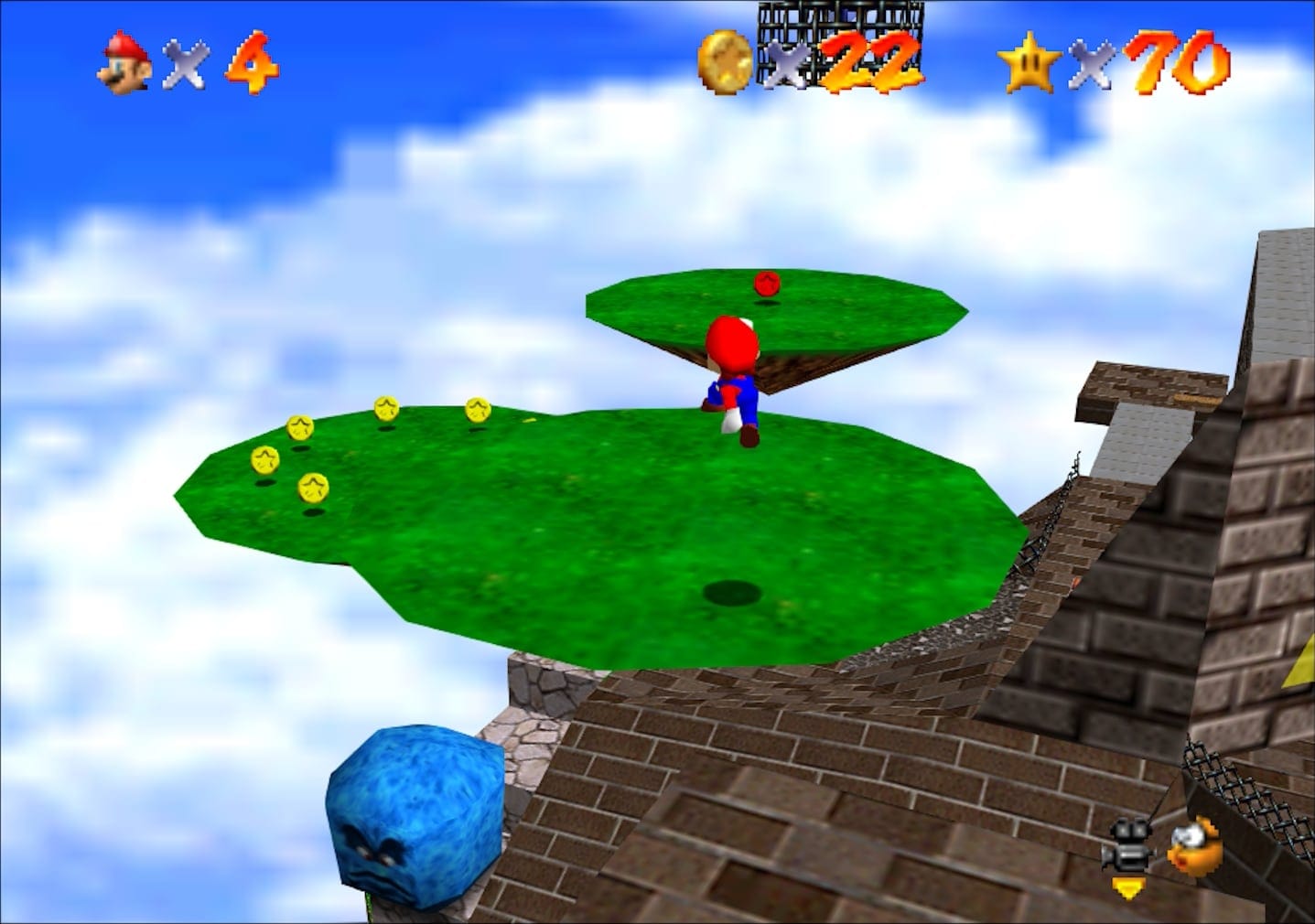
Miyamoto emphasised the point: “With 3D, little ‘lies’ like that can go unnoticed. So we lied a lot!”
Those lies, and the many other thoughtful decisions behind every element of the game, aren’t obvious when you play it. Jumping in Super Mario 64 has the right mix of weight and floatiness. It balances propulsiveness with control, allowing you to feel like you can readjust in mid-air without removing the sense of risk. It feels so normal, so right, that you never stop to question the many debates, calculations and decisions that helped Nintendo arrive at that point.
To put Super Mario 64’s achievement in context, think of all the other 2D franchises that foundered in 3D, like Sonic the Hedgehog, Mega Man and Castlevania. The latter only became popular again by re-commiting to 2D!
In contrast, Super Mario 64 made the leap so smoothly that you didn’t even realize that it was a total overhaul for the series; at the time, it felt like the logical and obvious next step. Mario was so famously joyful to control that players spent hours exploring the castle grounds, finding fun not just in the challenges inside the levels but by simply running and jumping around. Of course this is how Mario games should work in 3D. It is a triumph that was as remarkable as it was natural.
Like Lionel Messi, though, Super Mario 64’s genius lies in how it makes the difficult look so effortlessly brilliant.
 Ravi Hiranand